

Blog
Understanding 3-MMC: A Comprehensive Guide to Effects, Risks, and Research

Sep
Introduction to 3-MMC
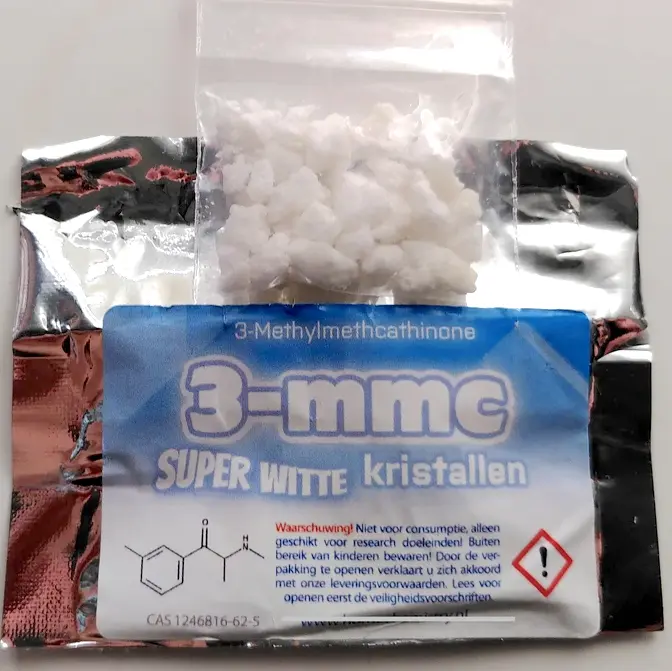
3-Methylmethcathinone, commonly known as 3mmc, has emerged as a significant compound in the landscape of synthetic stimulants. This designer drug belongs to the substituted cathinone family and has garnered attention from both researchers and recreational users due to its unique pharmacological properties. As we delve into this comprehensive guide, we’ll explore the multifaceted aspects of 3mmc, from its chemical structure and effects to its legal status and potential risks.
The rise of 3mmc represents a broader trend in the evolution of synthetic substances designed to mimic or modify the effects of controlled compounds. Understanding this substance requires a balanced approach that considers scientific research, user experiences, and regulatory responses. This guide aims to provide a thorough examination of 3-mmc while maintaining a focus on factual information and harm reduction principles.
Chemical Profile and Mechanism of Action
3mmc is structurally related to other cathinones, featuring a modified amphetamine backbone that distinguishes it from its more well-known counterpart, mephedrone (4-MMC). The compound acts primarily as a monoamine transporter substrate, meaning it influences the brain’s neurotransmitter systems by affecting the reuptake of dopamine, norepinephrine, and serotonin.
Research indicates that 3mmc increases dopamine and norepinephrine levels in the brain, leading to its characteristic stimulant effects. This neurochemical action results in heightened energy, euphoria, and improved focus, though it also carries potential side effects such as anxiety and agitation. The precise mechanism through which 3-mmc exerts its effects continues to be studied, but current understanding suggests it functions similarly to other synthetic cathinones by blocking or reversing monoamine transporters.
The pharmacokinetics of 3mmc reveal a relatively rapid onset of effects, typically beginning within 10-60 minutes after administration. The duration of these effects varies depending on the dose and route of administration but generally lasts between 4-6 hours. This relatively short duration often leads users to engage in redosing behavior, which significantly increases the risk of adverse outcomes and potential dependence.
Effects and Experiences
Users of 3mmc typically report a range of effects that blend stimulant and empathogenic qualities. The primary effects include elevated mood, pleasant body sensations, feelings of love and empathy, euphoria, greater appreciation of music, heightened libido, and increased confidence and sociability. These characteristics make 3mmc particularly appealing in social settings and nightlife environments.
The subjective experience of 3mmc varies based on dosage, individual physiology, and context of use. At lower doses, users may experience mild stimulation and mood enhancement, while higher doses can produce more intense euphoria and sensory amplification. The effects of 3mmc have been compared to those of MDMA and cocaine, though with its own unique profile that some users find more manageable or appealing.
It’s worth noting that the effects of 3mmc are not purely positive. Many users report negative experiences, particularly at higher doses or with repeated use. These can include anxiety, paranoia, increased heart rate, agitation, nausea, and in severe cases, seizures or death. The potential for adverse effects underscores the importance of understanding this substance thoroughly before considering any interaction with it.
Neurocognitive Impact and Research Findings
Recent scientific studies have begun to explore the specific effects of 3mmc on cognitive function and brain activity. A first-in-human study assessed the impact of three escalating doses of 3mmc (25, 50 and 100 mg) on vital signs, neurocognitive function, state of consciousness, appetite, and drug desire in a controlled trial setting.
The results revealed that 3mmc induced dose-related enhancement of task performance across several neurocognitive domains, including processing speed, cognitive flexibility, psychomotor function, attention, and memory. Interestingly, impulse control was not affected by 3mmc in this study. Participants also reported mild increases in dissociative and psychedelic effects, decreased appetite, and gave greater ratings of liking and wanting for 3mmc that were transient over time.
Brain imaging studies have provided additional insights into how 3mmc affects neural activity. Whole-brain immunostaining revealed increased c-Fos expression in the anterior cingulate cortex (ACC), nucleus accumbens (NAc), and ventral tegmental area (VTA) after chronic 3mmc injection compared with saline, which was similar to methamphetamine. Notably, 3mmc induced more neural activation of the VTA compared with methamphetamine. These findings suggest that 3mmc may have a significant impact on reward pathways in the brain, potentially explaining its addictive properties.
Potential Medical Applications and Research
While 3mmc is primarily known as a recreational substance, emerging research has begun to explore potential medical applications. One study investigated the analgesic (pain-relieving) effects of 3mmc in healthy volunteers, finding that the compound produced dose-dependent increases in pain threshold and reductions in the subjective experience of pain and unpleasantness.
These effects were most pronounced at the 50 and 100 mg doses and remained consistent throughout the 5-hour testing period. The researchers concluded that 3-mmc may have potential as a pain-relieving agent, though they emphasized that further research is warranted to explore its analgesic properties in clinical populations and to better understand its safety and efficacy in therapeutic contexts.
It’s important to note that despite these potential applications, 3-mmc currently has no approved medical use in any country. The research into its therapeutic potential is still in very early stages, and the significant risks associated with its use must be carefully weighed against any potential benefits.
Health Risks and Safety Concerns
The health risks associated with 3mmc are substantial and well-documented. As a potent stimulant, 3mmc can cause significant cardiovascular stress, including increased heart rate, elevated blood pressure, and potential arrhythmias. These effects can be particularly dangerous for individuals with pre-existing heart conditions or hypertension.
Neurologically, 3mmc can cause anxiety, paranoia, agitation, and in severe cases, seizures. The compound’s impact on serotonin levels also raises concerns about potential serotonin syndrome, especially when combined with other serotonergic substances. These acute risks are compounded by the potential for long-term neurological damage with repeated use.
Perhaps most concerning is the addictive potential of 3-mmc. Due to its fleeting duration and potent dopaminergic effects, 3-mmc is highly addictive and commonly abused. Users often engage in repeated dosing within a single session, sometimes using different routes of administration to maintain the effects. This pattern of use can quickly lead to dependence and associated psychological and physical health problems.
The purity and composition of illicit 3-mmc present additional risks. As an unregulated substance, samples sold as 3mmc may contain other compounds, adulterants, or varying concentrations of the active ingredient. This variability makes it difficult for users to dose accurately and increases the risk of accidental overdose or adverse reactions to unexpected substances.
Legal Status and Regulatory Response
The legal status of 3-mmc varies significantly across different jurisdictions, reflecting the challenges of regulating synthetic substances. In the United States, 3-mmc is classified as a Schedule I controlled substance under the Controlled Substances Act, indicating a high potential for abuse and no accepted medical use. It was explicitly scheduled on December 13, 2023, though its status as a mephedrone analog had already made it illegal under federal analog laws.
In Australia and Canada, 3mmc is illegal under synthetic cathinone bans. Many countries in Asia and South America have unclear or evolving policies regarding 3-mmc, making its availability unpredictable and its legal status ambiguous. Due to rapid changes in drug policy, anyone considering research or possession should verify local laws to avoid legal consequences.
The European Union has taken a particularly strong stance against 3-mmc and related compounds. The EU Drugs Agency has brought 3-mmc under EU-wide legal control after monitoring showed it was replacing previously banned cathinones in the illicit market. This action indicates that policymakers judged the substance to present sufficient harm or public health risk to warrant formal regulatory measures.
Despite these legal restrictions, 3-mmc remains widely available through online vendors and dark web markets, often marketed as a “research chemical” or “plant food” to bypass regulations. This availability underscores the challenges of controlling synthetic substances that can be rapidly produced and distributed through digital channels.
Patterns of Use and Demographics
Understanding who uses 3-mmc and why provides important context for addressing the substance’s impact. Research indicates that 3-mmc is primarily used recreationally in nightlife settings, such as clubs, raves, and chemsex parties. Its effects, which blend MDMA-like euphoria with cocaine-like energy, make it appealing to partygoers seeking enhanced sociability and stamina.
Concerningly, studies have shown that 3-mmc has attracted very young users aged 14 to 17, who are especially vulnerable to impulsive redosing and mental health complications. The systematic review notes that low price, high availability, and positive social media recommendations have contributed to this trend. This early introduction to potent stimulants raises significant concerns about adolescent brain development and long-term health outcomes.
The Netherlands provides a striking example of escalating 3-mmc use. The number of people seeking treatment for problematic 3-mmc use in the Netherlands rose from 33 in 2019 to 1,029 in 2022, with 83% of these patients reporting daily or near-daily use. This dramatic increase reflects the substance’s growing popularity and the challenges of managing dependence once it develops.
Patterns of 3-mmc use vary by region and user group. Some individuals use it sporadically in social settings, while others develop chronic, compulsive use patterns that interfere with daily functioning. The latter group often requires professional intervention to address both the physical and psychological aspects of dependence.
The route of administration also influences use patterns and associated risks. While oral ingestion is common, some users prefer nasal insufflation, rectal administration, or intravenous injection to achieve more rapid and intense effects. These latter routes carry additional risks, including damage to nasal passages, increased potential for infectious diseases, and higher likelihood of overdose.
Harm Reduction Strategies
For those who choose to use 3-mmc despite the risks, harm reduction strategies can help minimize potential negative outcomes. These approaches focus on safer use practices rather than abstinence, recognizing that some individuals will continue to use substances regardless of legal status or health warnings.
Key harm reduction recommendations for 3-mmc include:
- Start with low doses: Begin with a small amount to assess sensitivity before considering a larger dose.
- Avoid redosing: The temptation to maintain the high leads many users to consume excessive amounts, increasing health risks.
- Stay hydrated: Drink water but avoid excessive amounts, as hyponatremia (low sodium) can occur with excessive water intake.
- Take breaks: Allow significant recovery time between uses to prevent tolerance and dependence.
- Avoid mixing substances: Combining 3-mmc with other stimulants or depressants significantly increases health risks.
- Use with trusted others: Never use alone, especially with new substances or higher doses.
- Have naloxone available: While not an opioid, stimulant overdoses sometimes occur in combination with opioids.
- Test your substances: Use drug checking services to verify the contents and purity of your 3mmc.
These strategies can help reduce immediate risks but do not eliminate the fundamental dangers associated with 3mmc use. The most effective harm reduction approach remains complete abstinence from this and other synthetic cathinones.
Treatment for 3-MMC Dependence
For individuals who develop problematic 3mmc use patterns, professional treatment may be necessary to overcome dependence. Treatment approaches typically mirror those used for other stimulant addictions, with some modifications to address the specific characteristics of 3mmc.
Behavioral therapies form the cornerstone of 3mmc addiction treatment. Cognitive-behavioral therapy (CBT) helps individuals identify and change patterns of thinking and behavior related to drug use. Contingency management provides tangible rewards for maintaining abstinence, while motivational enhancement therapy strengthens commitment to change.
In some cases, medications may be used to manage specific symptoms of 3mmc withdrawal or co-occurring mental health conditions. While no medications specifically target 3mmc dependence, antidepressants, anxiolytics, or sleep aids may help manage the psychological symptoms that often accompany early abstinence.
Support groups and peer recovery programs can also play a valuable role in maintaining long-term abstinence. These approaches provide social support and accountability while helping individuals develop healthier coping mechanisms and lifestyle patterns.
Comparison with Other Substances
3mmc exists within a broader landscape of psychoactive substances, each with its own profile of effects and risks. Understanding how it compares to other compounds provides context for its unique place in the drug market.
Compared to MDMA, 3mmc typically produces a more purely stimulant effect with less empathogenic quality. While both substances increase serotonin, dopamine, and norepinephrine, 3mmc has a stronger effect on dopamine and norepinephrine, resulting in more pronounced stimulation and less emotional connection.
Against cocaine, 3mmc offers a longer duration of action but with less intense euphoria. Some users prefer 3mmc because it doesn’t require frequent redosing, though this can lead to extended periods of use with their own associated risks.
When compared to mephedrone (4-MMC), 3mmc is generally considered slightly less potent but with a similar effect profile. Many users who switch from mephedrone to 3mmc do so because of legal restrictions on the former compound rather than significant differences in subjective effects.
Future Research Directions
Despite growing awareness of 3mmc, significant gaps remain in our understanding of this substance. Future research should focus on several key areas to better inform policy, prevention, and treatment efforts.
Longitudinal studies are needed to understand the long-term health effects of 3mmc use. Most current research focuses on acute effects, leaving questions about chronic impacts on cardiovascular health, cognitive function, and mental largely unanswered.
Pharmacological research could help identify potential therapeutic applications for 3mmc or related compounds. While early studies suggest possible analgesic effects, much more research is needed to determine if these findings can be translated into clinical practice.
Neuroimaging studies could provide valuable insights into how 3mmc affects brain structure and function. The preliminary findings regarding c-Fos expression in specific brain regions warrant further investigation to understand the neural mechanisms underlying 3mmc‘s effects and addictive potential.
Finally, public health research should explore effective prevention and treatment approaches specifically tailored to 3mmc users. The unique characteristics of this substance and its user population may require specialized interventions beyond those developed for other stimulants.
Conclusion
3mmc represents a complex and evolving challenge in the landscape of synthetic drugs. Its potent stimulant effects, coupled with significant health risks and addictive potential, make it a substance of concern for healthcare providers, policymakers, and the general public. As research continues to uncover more about this compound, it becomes increasingly clear that a comprehensive approach involving prevention, harm reduction, and treatment is necessary to address its impact.
For individuals considering 3mmc use, the overwhelming evidence suggests that the risks far outweigh any potential benefits. The possibility of acute health emergencies, long-term health consequences, and psychological dependence should give pause to anyone contemplating experimentation with this substance.
For society, the rise of 3mmc highlights the ongoing challenge of regulating synthetic drugs that can be rapidly modified to stay ahead of legal restrictions. A balanced approach that combines appropriate regulation with education and access to treatment offers the most promising path forward.
Frequently Asked Questions
Q: What is 3mmc?
A: 3mmc (3-Methylmethcathinone) is a synthetic stimulant belonging to the substituted cathinone class. It produces euphoric and stimulating effects similar to MDMA and cocaine but with its own unique profile.
Q: Is 3mmc legal?
A: The legal status of 3mmc varies by country. In the United States, it’s classified as a Schedule I controlled substance. Many other countries have also banned it, but some jurisdictions have unclear or evolving policies.
Q: What are the effects of 3mmc?
A: Users report euphoria, increased energy, enhanced sociability, and heightened sensory perception. Negative effects can include anxiety, paranoia, increased heart rate, and potential for dependence.
Q: How long do the effects of 3mmc last?
A: The duration typically ranges from 4-6 hours, depending on dose and route of administration. The relatively short duration often leads users to redose, increasing risks.
Q: Is 3mmc addictive?
A: Yes, 3mmc has significant addictive potential due to its effects on dopamine and norepinephrine systems. Many users develop compulsive use patterns that require professional intervention to overcome.
Q: Can 3mmc be used safely?
A: No substance use is entirely without risk, but harm reduction strategies can minimize potential dangers for those who choose to use 3mmc. The safest approach is complete abstinence.
Q: What should I do if someone experiences a 3mmc overdose?
A: Seek emergency medical attention immediately. While waiting for help, keep the person calm, cool, and hydrated if possible. Be prepared to provide information about what and how much was consumed.
Q: Are there medical uses for 3mmc?
A: Currently, 3mmc has no approved medical uses. Early research suggests potential analgesic effects, but much more study is needed before any clinical applications could be considered.
Q: How can I help someone struggling with 3mmc use?
A: Encourage them to seek professional help from addiction specialists. Offer support without judgment, educate yourself about treatment options, and consider participating in family therapy if appropriate.
Q: Where can I find more information about 3mmc?
A: Reputable sources include government health websites, academic journals, and established harm reduction organizations. Be cautious of information from vendors or user forums, which may be biased or inaccurate.
