

Blog
A Comprehensive Scientific Analysis of 3-CMC: Chemistry, Effects, and Research Applications – ChemZaro
Sep
Introduction to 3-CMC and the Synthetic Cathinone Landscape
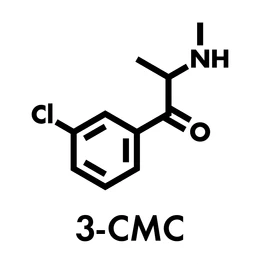
In the ever-evolving world of novel psychoactive substances, 3 CMC (3-Chloromethcathinone) has emerged as a compound of significant interest to researchers, forensic toxicologists, and public health officials. As a member of the synthetic cathinone class, 3 CMC represents a structural modification of the cathinone molecule, featuring a chlorine atom at the 3-position of the phenyl ring. This seemingly minor alteration creates a compound with distinct pharmacological properties and metabolic pathways that differentiate it from its parent compounds.
The emergence of 3-CMC and its positional isomer, 4-CMC, reflects a broader trend in the NPS market where slight molecular modifications are employed to create substances with potentially similar effects to controlled drugs while navigating existing legal frameworks3. These chlorinated derivatives have gained substantial popularity across Europe, posing significant public health and traffic safety risks that demand comprehensive scientific investigation.
This comprehensive guide examines the chemical structure, pharmacological profile, metabolic pathways, and research applications of 3-CMC, providing an authoritative resource for scientific professionals studying novel psychoactive substances. By understanding the unique properties of 3-CMC, researchers can better address the challenges it presents to public health and forensic science.
Chemical Profile and Structural Characteristics
The molecular structure of 3-CMC (C10H12ClNO) represents a deliberate modification of the methcathinone scaffold. The introduction of a chlorine atom at the 3-position of the phenyl ring creates a compound with distinct physicochemical properties compared to other cathinone derivatives. This structural modification significantly influences the compound’s binding affinity to monoamine transporters and its subsequent metabolic fate.
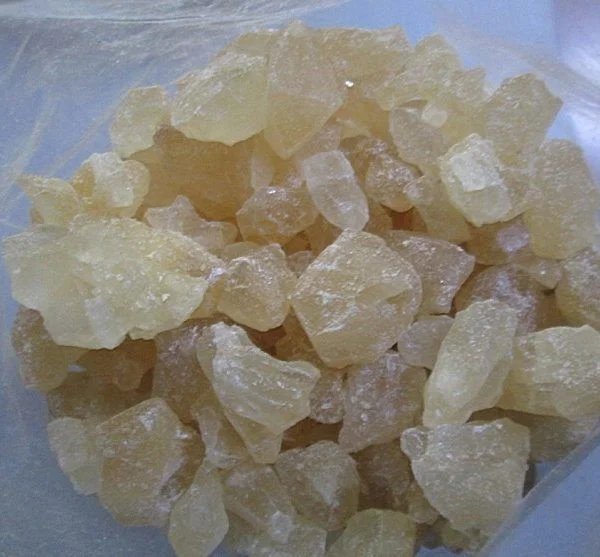
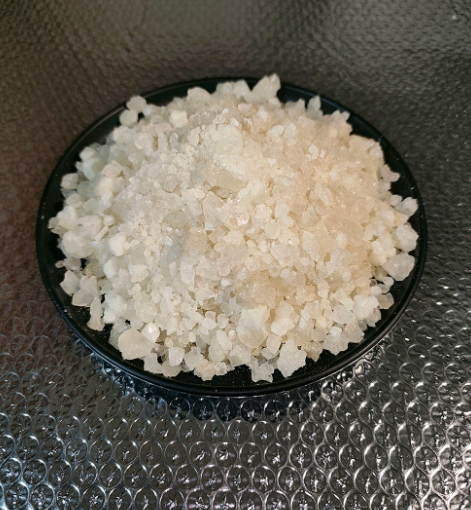
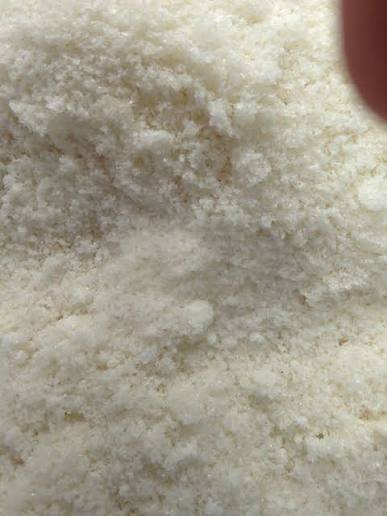
Chemically, 3-CMC exists as a white or off-white crystalline powder in most research applications. The molecular weight and purity of 3-CMC samples are critical factors in research settings, where precise measurements and consistent quality are essential for reproducible scientific results. The structural modification of 3-CMC represents a broader trend in the design of novel psychoactive substances, where minor molecular alterations can significantly impact pharmacological profiles.
The chlorine substitution at the 3-position of 3-CMC distinguishes it from its positional isomer, 4-CMC, which features the chlorine atom at the 4-position. This subtle positional difference can lead to significant variations in pharmacological activity and metabolic pathways, making both compounds valuable subjects for structure-activity relationship studies in medicinal chemistry and pharmacology research.
Pharmacological Profile and Mechanism of Action
The pharmacological properties of 3-CMC derive from its interaction with monoamine systems in the brain. Like other cathinones, it primarily acts as a releasing agent and reuptake inhibitor for monoamine neurotransmitters, particularly dopamine and norepinephrine3. The chlorine substitution at the 3-position appears to modulate these effects in significant ways compared to other cathinone derivatives.
Animal studies suggest that 3-CMC produces stimulant effects characteristic of the cathinone class, though with potentially different potency and efficacy compared to other derivatives. The exact pharmacodynamic profile of 3-CMC remains under investigation, with preliminary research indicating it may have distinct binding affinities for monoamine transporters compared to other cathinones.
The pharmacological bias of 3-CMC appears to favor certain monoamine systems over others, which may account for its different stimulant profile compared to other amphetamine-type substances. This distinctive pharmacological signature makes 3-CMC a valuable tool for investigating the differential roles of monoamine systems in stimulant effects and potential therapeutic applications.
Metabolic Pathways and Pharmacokinetics
Limited pharmacokinetic data exist for 3-CMC, primarily from forensic analyses of human samples rather than controlled human or animal studies3. Recent research using murine models has begun to elucidate the metabolic pathways of 3-CMC, with studies employing dried blood spot (DBS) sampling after controlled administration to identify characteristic metabolites.
Metabolism of 3-CMC occurs predominantly via cytochrome P450-mediated pathways, featuring N-dealkylation and other phase I and phase II metabolic reactions. These metabolic routes produce characteristic metabolites that distinguish its metabolism from that of other cathinone derivatives. The identification of these specific metabolic pathways for 3-CMC has important implications for forensic analysis.
The unique metabolic fingerprint of 3-CMC allows for more accurate detection and differentiation from other cathinone-type substances in biological samples. This capability is crucial for forensic toxicologists and clinical laboratories tasked with identifying novel psychoactive substances in cases of intoxication or traffic safety incidents.
Research Applications and Forensic Relevance
The primary research application of 3-CMC lies in its use as an analytical standard for forensic analysis. As a component of designer drugs sold as “legal high” replacements for controlled substances, 3-CMC has become an important target for forensic laboratories worldwide3. The detection and quantification of 3-CMC and its metabolites in biological samples serve as crucial evidence in drug-related criminal investigations and traffic safety cases.
Beyond forensic applications, 3-CMC serves as a valuable research tool for investigating structure-activity relationships in cathinone-type stimulants. Its unique pharmacological profile makes it useful for studying the differential effects of monoamine systems and the impact of chlorination on drug action. Researchers studying 3-CMC contribute to a broader understanding of how molecular modifications alter drug effects and potential toxicity.
Recent research has expanded our understanding of 3-CMC through controlled administration studies using murine models, which have provided valuable insights into its metabolism and potential toxicity. These studies help establish baseline data for interpreting human intoxication cases and developing more effective detection methods.
Public Health and Safety Considerations
The emergence of 3-CMC and related chlorinated cathinones has raised significant public health concerns across Europe and other regions. These substances have been associated with acute intoxication cases requiring medical intervention, as well as traffic safety incidents due to their stimulant effects that may impair driving ability.
Very little data exists about the long-term health effects of 3-CMC consumption, highlighting significant gaps in our understanding of its toxicity profile. This lack of comprehensive safety data underscores the need for caution when working with or studying this compound. It is strongly advised to use harm reduction practices if encountering this substance, as its full toxicity profile remains unknown.
The potential for adverse psychological effects exists with 3-CMC use, including anxiety, paranoia, or psychotic episodes in vulnerable individuals. These risks are compounded by the lack of quality control in illicit markets, where products sold as 3-CMC may contain other substances or dangerous contaminants.
Legal Status and Regulatory Considerations
The legal status of 3-CMC varies across jurisdictions, though many countries have implemented controls due to its structural similarity to controlled cathinones and its identification as a component in designer drug products. In some regions, 3-CMC may be regulated under analog acts or controlled substance legislation despite not being specifically named in scheduling documents.
Regulatory considerations for 3 CMC extend beyond simple possession to include manufacturing, distribution, and research applications. Laboratories working with 3 CMC must typically maintain appropriate licenses and security measures, particularly when handling the compound for research purposes.
The evolving legal landscape surrounding 3 CMC reflects broader challenges in regulating novel psychoactive substances, where slight molecular modifications can create compounds that exist in legal gray areas while maintaining similar pharmacological properties to controlled substances.
Analytical Detection and Forensic Science Applications
The detection of 3-CMC in biological samples presents unique challenges for forensic toxicologists. Recent research has focused on developing analytical methods capable of detecting and quantifying 3-CMC and its metabolites in various biological matrices. The development of simultaneous chemo- and enantio-separation techniques for 2-, 3-, and 4-chloro-methcatinones has significantly improved the ability to detect these substances in oral fluid samples and other matrices.
Notably, the detection of 3-CMC alone may be insufficient as evidence of use without confirmation of characteristic metabolites, as this compound may be present as such in consumed materials. The identification of specific metabolic markers for 3-CMC consumption provides more definitive evidence of ingestion and metabolism.
These developments in forensic analysis of 3-CMC represent significant advances in the detection of novel psychoactive substances. The unique metabolic fingerprint of 3-CMC allows for more accurate identification in biological samples, supporting law enforcement efforts and clinical toxicology investigations.
Comparison with Related Compounds
When compared to other cathinones, 3-CMC exhibits several distinct characteristics related to its 3-position chlorination. The position of chlorine substitution on the phenyl ring significantly influences the compound’s interaction with monoamine transporters and its subsequent metabolic fate3. These differences make 3-CMC a distinct subject of scientific investigation rather than simply another variant of cathinone.
Compared to its positional isomer 4-CMC, 3-CMC demonstrates different pharmacological properties and metabolic pathways3. The structural distinction between these compounds may account for variations in potency, efficacy, and toxicity profiles observed in preliminary studies. These differences highlight the importance of positional chemistry in drug design and effects.
In the context of novel psychoactive substances, 3-CMC represents a more refined approach to designer drug development, where specific molecular modifications are introduced to create compounds with unique effect profiles while
potentially circumventing existing drug regulations. This trend reflects the ongoing cat-and-mouse game between underground chemists and regulatory agencies, where each new compound like 3-CMC presents a fresh challenge for public health officials and forensic scientists.
Subjective Effects and User Experiences
While formal scientific studies on human subjects are limited, user reports and online discussions provide some insight into the subjective effects of 3-CMC. These anecdotal accounts, primarily from forums like 3 cmc reddit and communities such as 3 cmc psychonaut, suggest that 3-CMC produces stimulant effects similar to other cathinones, though with potentially distinct characteristics.
Commonly reported effects include enhanced energy, increased sociability, and euphoria, though these subjective experiences vary widely between individuals. Some users report that 3 CMC produces a more functional or “cleaner” stimulant effect compared to other cathinones, though these claims lack scientific validation and may reflect differences in dosage, purity, or individual sensitivity.
It is important to note that user reports from sources like 3 cmc reddit and 3 cmc psychonaut forums are not reliable scientific data and may be influenced by numerous factors, including placebo effects, expectation bias, and the presence of contaminants in samples sold as 3 CMC. These anecdotal accounts should be viewed with caution and not considered a substitute for formal scientific research.
Synthesis and Chemical Preparation
The primary laboratory route for synthesizing 3 CMC involves the chlorination of appropriate precursor molecules, typically starting from methcathinone or related compounds. This process often employs electrophilic aromatic substitution reactions to introduce the chlorine atom at the 3-position of the phenyl ring.
The synthesis of 3-CMC requires specialized knowledge and equipment, making it primarily accessible to laboratory settings rather than clandestine operations. This complexity has contributed to the relatively limited availability of 3 CMC compared to more easily synthesized novel psychoactive substances, though its presence in illicit markets continues to grow.
The chemical preparation of 3-CMC often involves multiple steps and purification processes to achieve the desired product purity. These synthetic routes may vary between producers, leading to potential differences in the final product’s composition and purity, which in turn can affect its pharmacological profile and toxicity.
Toxicology and Adverse Effects
The toxicological profile of 3-CMC remains incompletely characterized due to limited research and case reports3. Postmortem blood concentrations of 3-CMC have been reported in forensic cases, though without established therapeutic or toxic thresholds, these values provide limited clinical guidance.
Adverse effects associated with 3-CMC may include cardiovascular complications, psychological distress, and potential neurotoxicity, though specific data are limited3. The perceived ability of these compounds to bypass legal regulation has resulted in increasing popularity among drug users; however, their use produces significant adverse effects, including cardiovascular toxicity, psychological disturbances, and in some cases, fatalities.
The potential for hyperthermia risk exists due to sustained locomotion and metabolic demand, as observed with other stimulants, though this has not been specifically quantified for 3 CMC under controlled conditions. These safety concerns underscore the need for further research into the toxicological profile of 3 CMC.
Dosage Considerations and Harm Reduction
Determining appropriate 3 cmc dosage parameters is challenging due to the lack of formal scientific studies and the variability of products sold under this name. In the absence of established dosage guidelines, harm reduction approaches emphasize starting with low doses and avoiding redosing to minimize potential adverse effects.
Harm reduction practices for 3-CMC should include: accurate information about its known effects and potential risks; drug checking services to identify substances and reduce unexpected exposures; and access to non-judgmental health services for users experiencing adverse effects. These strategies are particularly important given the limited scientific knowledge about 3 CMC and its potential toxicity.
The concept of 3 cmc dosage is further complicated by the lack of quality control in illicit markets, where products sold as 3-CMC may vary widely in purity and composition. This variability makes dosage recommendations particularly challenging and increases the risk of accidental overdose or adverse reactions.
Physical and Chemical Properties
The physical properties of 3-CMC remain incompletely characterized due to its status as a research chemical. The freebase typically manifests as a white to off-white crystalline solid, though the appearance may vary based on purity and synthesis method. This solid form is soluble in polar solvents like water, methanol, and ethanol, facilitating analytical techniques such as chromatography.
The chlorine atom at the 3-position of 3-CMC affects the compound’s lipophilicity, as chlorine’s size and electronegativity influence membrane permeability and distribution in biological systems. This alteration may influence how 3 CMC crosses biological barriers, including the blood-brain barrier.
Stability under ambient conditions is typical for cathinone compounds like 3-CMC, though exposure to light, heat, or moisture may promote degradation, as observed in similar substituted phenethylamines. These physical characteristics of 3 CMC are important considerations for both storage and analytical applications in research settings.
Pharmacodynamics and Receptor Binding Profiles
The pharmacodynamics of 3-CMC are characterized by its action as a releasing agent and reuptake inhibitor at monoamine transporters. It produces its stimulant effects primarily through action at dopamine and norepinephrine receptors in the brain, with varying effects on serotonin systems compared to other cathinone derivatives.
The chlorination at the 3-position appears to influence the binding affinity of 3-CMC to these transporters, potentially altering its potency and efficacy compared to other cathinones. This structural modification may contribute to the reported differences in subjective effects and stimulant profile of 3 CMC.
Animal studies have shown that 3-CMC produces stimulant effects characteristic of the cathinone class, though with potentially different potency and efficacy compared to other derivatives. This altered potency indicates that chlorination at the 3-position may modify stimulant effects compared to other cathinones, making 3-CMC a subject of interest for structure-activity relationship studies.
Research Potential and Future Directions
Despite its emergence as a designer drug, 3-CMC presents valuable opportunities for scientific research across multiple disciplines. The unique pharmacological profile of 3 CMC makes it a useful tool for investigating structure-activity relationships in cathinone-type stimulants and the differential roles of monoamine systems in stimulant effects.
Future research on 3-CMC should focus on several key areas: comprehensive pharmacokinetic studies to establish bioavailability, plasma half-life, and volume of distribution; detailed toxicological assessments to identify potential adverse effects and therapeutic thresholds; and continued development of analytical methods for improved detection in forensic samples.
The study of 3-CMC also contributes to our understanding of how molecular modifications alter drug effects and potential toxicity, informing both regulatory responses and potential therapeutic applications. As research on 3 CMC progresses, it may yield valuable insights into stimulant pharmacology and the development of safer therapeutic compounds.
Distinguishing 3-CMC from Unrelated Products
It is important to distinguish the chemical compound 3-CMC from other products with similar acronyms. For instance, a cmc class 3 harness is a piece of safety equipment used in climbing and industrial applications and has no relation to the chemical compound 3 CMC. This highlights the importance of precise terminology when sourcing research materials or discussing novel psychoactive substances.
Similarly, the 3 cmc crystal form of the chemical should not be confused with other crystalline substances that might share similar names or appearances. Researchers and consumers alike must exercise caution to ensure they are referring to the correct compound, as confusion between unrelated products could lead to significant safety risks or misunderstandings.
This distinction underscores the importance of clear communication and accurate identification in both research and public health contexts. When discussing 3 CMC, it is essential to specify that we are referring to the chemical compound 3-Chloromethcathinone rather than any unrelated product with a similar acronym.
Conclusion: Balancing Research and Regulation
The emergence of 3-CMC highlights the ongoing challenges in regulating novel psychoactive substances while maintaining opportunities for legitimate scientific research. As a chlorinated analog of methcathinone, 3 CMC occupies a complex space between potential research tool and public health concern.
For researchers and forensic scientists, 3-CMC provides a valuable subject for investigating the impact of molecular modifications on drug action and metabolism. The development of analytical standards and detection methods for 3 CMC continues to advance our ability to identify and quantify this substance in biological samples, supporting both clinical and forensic applications.
The limited data available on the pharmacological properties, metabolism, and toxicity of 3-CMC underscores the need for further scientific investigation. As research progresses, it will be essential to balance the potential scientific value of studying 3 CMC with responsible regulatory approaches that address public health concerns while allowing for legitimate scientific inquiry.
The story of 3-CMC serves as a case study in the complex interplay between chemistry, pharmacology, public health, and drug policy in the era of novel psychoactive substances. By understanding this compound and its effects, we can better address the challenges it presents and develop more effective strategies for promoting public health and scientific advancement.
