

Blog
A Comprehensive Guide to 2-Fluoromethamphetamine (2-FMA): Chemistry, Effects, and Research Applications – ChemZaro
Sep
Introduction to 2-Fluoromethamphetamine
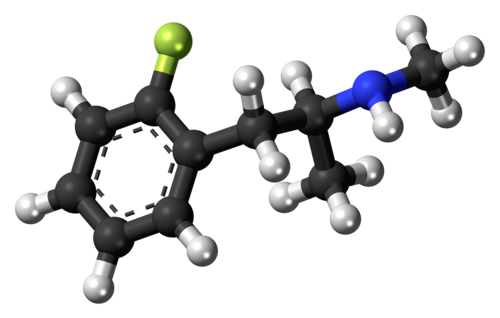
In the evolving landscape of novel psychoactive substances, 2 FMA 2 Fluoromethamphetamine has emerged as a compound of significant interest to researchers and forensic scientists. As a member of the substituted amphetamine class, this synthetic stimulant presents a unique chemical profile that distinguishes it from its parent compound, methamphetamine. The 2-fma 2 fluoromethamphetamine molecule features a fluorine atom at the 2-position of the phenyl ring, a structural modification that significantly alters its pharmacological properties and metabolic pathways.
Originally developed as a potential research chemical, 2 fma 2 fluoromethamphetamine has been identified as a component in designer drugs sold as “legal high” replacements for restricted substances. This comprehensive guide examines the chemical structure, pharmacological profile, metabolic pathways, and research applications of 2-fma 2 fluoromethamphetamine, providing an authoritative resource for scientific professionals and researchers studying novel psychoactive substances.
Chemical Profile and Structural Characteristics
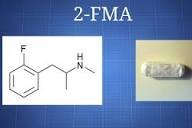
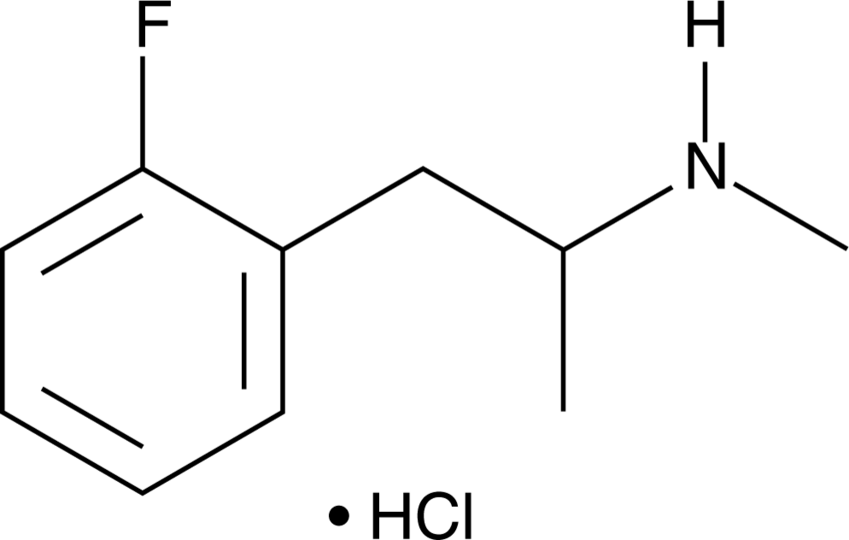
The molecular structure of 2-fma 2 fluoromethamphetamine (C10H14FN) represents a deliberate modification of the methamphetamine scaffold. The introduction of a fluorine atom at the 2-position of the phenyl ring creates a compound with distinct physicochemical properties compared to other amphetamine derivatives. This fluorination significantly impacts the molecule’s binding affinity to monoamine transporters and its subsequent metabolic fate.
Chemically, 2-fma 2 fluoromethamphetamine exists as a hydrochloride salt in most research applications, with a CAS number of 1780004-19-4. The hydrochloride formulation is specifically intended for use as an analytical standard in forensic laboratories. The molecular weight and purity of 2 fma 2 fluoromethamphetamine samples are critical factors in research settings, where precise measurements and consistent quality are essential for reproducible scientific results.
The structural modification of 2-fma 2 fluoromethamphetamine represents a broader trend in the design of novel psychoactive substances, where minor molecular alterations can significantly impact pharmacological profiles. This characteristic makes 2-fma 2 fluoromethamphetamine a valuable subject for structure-activity relationship studies in medicinal chemistry and pharmacology research.
Pharmacological Profile and Mechanism of Action
The pharmacological properties of 2-fma 2 fluoromethamphetamine derive from its interaction with monoamine systems in the brain. Like other amphetamines, it primarily acts as a releasing agent and reuptake inhibitor for monoamine neurotransmitters, particularly norepinephrine and dopamine. However, the fluorination at the 2-position appears to modulate these effects in significant ways.
Animal studies suggest that 2-fma 2 fluoromethamphetamine produces dose-dependent increases in locomotor activity, though these effects are generally less potent than those of methamphetamine. This reduced potency indicates that fluorination at the 2-position may attenuate stimulant effects compared to the parent compound. Discriminative stimulus effects in rats trained to discriminate methamphetamine generalized partially to 2-fma 2 fluoromethamphetamine, indicating shared subjective properties with amphetamines but with reduced efficac.
The pharmacological bias of 2-fma 2 fluoromethamphetamine appears to favor norepinephrine reuptake inhibition over dopamine release, which may account for its different stimulant profile compared to other amphetamines. This distinctive pharmacological signature makes 2-fma 2 fluoromethamphetamine a valuable tool for investigating the differential roles of monoamine systems in stimulant effects and potential therapeutic applications.
Metabolic Pathways and Pharmacokinetics
Limited pharmacokinetic data exist for 2-fma 2 fluoromethamphetamine, primarily from forensic analyses of human urine rather than controlled human or animal studies. No estimates of oral bioavailability, plasma half-life, or volume of distribution have been reported in peer-reviewed literature, highlighting significant gaps in our understanding of this compound’s pharmacokinetic profile.
Metabolism of 2-fma 2 fluoromethamphetamine occurs predominantly via cytochrome P450-mediated pathways, featuring N-hydroxylation of the amine group and aliphatic hydroxylation on the side chain. These metabolic routes produce characteristic metabolites including N-hydroxy-2-FMA and diastereomers of 2-fluoroephedrine, which distinguish its metabolism from that of methamphetamine.
The identification of these specific metabolic pathways for 2-fma 2 fluoromethamphetamine has important implications for forensic analysis. Both N-OH-2-FMA and 2-fluoroephedrine are plausible candidates as analytical targets for drug-use certification in forensic science. The unique metabolic fingerprint of 2-fma 2 fluoromethamphetamine allows for more accurate detection and differentiation from other amphetamine-type substances in biological samples.
Research Applications and Forensic Relevance
The primary research application of 2-fma 2 fluoromethamphetamine lies in its use as an analytical standard for forensic analysis. The hydrochloride formulation of this compound is specifically intended for use in laboratories conducting forensic analysis of samples that may contain 2-fma 2 fluoromethamphetamine or related substances.
As a component of designer drugs sold as “legal high” replacements for restricted substances, 2-fma 2 fluoromethamphetamine has become an important target for forensic laboratories worldwide. The detection and quantification of 2-fma 2 fluoromethamphetamine and its metabolites in biological samples serve as crucial evidence in drug-related criminal investigations.
Beyond forensic applications, 2 fma 2 fluoromethamphetamine serves as a valuable research tool for investigating structure-activity relationships in amphetamine-type stimulants. Its unique pharmacological profile makes it useful for studying the differential effects of monoamine systems and the impact of fluorination on drug action. Researchers studying 2 fma 2 fluoromethamphetamine contribute to a broader understanding of how molecular modifications alter drug effects and potential toxicity.
Comparison with Related Compounds
When compared to methamphetamine, 2-fma 2 fluoromethamphetamine exhibits several distinct characteristics. The fluorination at the 2-position appears to reduce both the potency and efficacy of stimulant effects, as evidenced by animal studies. This attenuation of effects may be related to the altered monoamine release profile of 2 fma 2 fluoromethamphetamine, which shows a greater bias toward norepinephrine than dopamine.
Compared to other fluorinated amphetamines, such as 4-fluoromethamphetamine (4-FMA), 2-fma 2 fluoromethamphetamine demonstrates different pharmacological properties and metabolic pathways. The position of fluorine substitution on the phenyl ring significantly influences the compound’s interaction with monoamine transporters and its subsequent metabolic fate. These differences make 2-fma 2 fluoromethamphetamine a distinct subject of scientific investigation rather than simply another variant of amphetamine.
In the context of novel psychoactive substances, 2-fma 2 fluoromethamphetamine represents a more refined approach to designer drug development, where specific molecular modifications are introduced to create compounds with unique effect profiles while potentially circumventing existing drug regulations.
Safety Considerations and Harm Reduction
Very little data exists about the pharmacological properties, metabolism, and toxicity of 2-fma 2 fluoromethamphetamine. This significant gap in scientific knowledge underscores the need for caution when working with or studying this compound. It is strongly advised to use harm reduction practices if using this substance, as its full toxicity profile remains unknown.
The limited human data available for 2-fma 2 fluoromethamphetamine comes primarily from forensic case reports involving detection and metabolism rather than controlled studies of physiological effects. This lack of comprehensive safety data makes it challenging to establish accurate dosage guidelines or identify potential adverse effects specific to this compound.
Researchers studying 2-fma 2 fluoromethamphetamine should implement appropriate safety protocols and institutional review procedures given the limited understanding of its toxicity profile. The potential for hyperthermia risk exists due to sustained locomotion and metabolic demand, as observed in methamphetamine models, though this has not been specifically quantified for 2-fma 2 fluoromethamphetamine under controlled thermal conditions.
Legal Status and Regulatory Considerations
The legal status of 2-fma 2 fluoromethamphetamine varies across jurisdictions, though many countries have implemented controls due to its structural similarity to methamphetamine and its identification as a component in designer drug products. In some regions, 2-fma 2 fluoromethamphetamine may be regulated under analog acts or controlled substance legislation despite not being specifically named in scheduling documents.
Regulatory considerations for 2-fma 2 fluoromethamphetamine extend beyond simple possession to include manufacturing, distribution, and research applications. Laboratories working with 2-fma 2 fluoromethamphetamine must typically maintain appropriate licenses and security measures, particularly when handling the hydrochloride formulation used as a forensic standard.
The evolving legal landscape surrounding 2-fma 2 fluoromethamphetamine reflects broader challenges in regulating novel psychoactive substances, where slight molecular modifications can create compounds that exist in legal gray areas while maintaining similar pharmac
frameworks where slight molecular modifications can create compounds that exist in legal gray areas while maintaining similar pharmacological properties to controlled substances.
Analytical Detection and Forensic Science Applications
The detection of 2-fma 2 fluoromethamphetamine in biological samples presents unique challenges for forensic toxicologists. Recent research has identified specific metabolic pathways that produce characteristic biomarkers for 2-fma 2 fluoromethamphetamine use. The synthesis of analytical standards for N-hydroxy 2-FMA (N-OH-2-FMA) and two diastereomers of 2-fluoroephedrine has significantly improved the ability to detect 2-fma 2 fluoromethamphetamine use in forensic analyses.
Notably, the detection of 2-FAP alone is insufficient as evidence of 2-fma 2 fluoromethamphetamine use because this compound is widely available and may be present as such in taken liquids. The identification of N-OH-2FMA and diastereomers of 2-fluoroephedrine in urine specimens provides more definitive evidence of 2-fma 2 fluoromethamphetamine consumption.
These developments in forensic analysis of 2-fma 2 fluoromethamphetamine represent significant advances in the detection of novel psychoactive substances. The unique metabolic fingerprint of 2-fma 2 fluoromethamphetamine allows for more accurate identification in biological samples, supporting law enforcement efforts and clinical toxicology investigations.
Physical and Chemical Properties
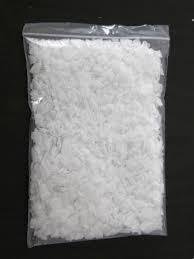
The physical properties of 2-fma 2 fluoromethamphetamine remain incompletely characterized due to its status as a research chemical. The freebase melting point is undetermined in standard references, though the hydrochloride salt manifests as a white to off-white crystalline solid. This salt form is soluble in polar solvents like water, methanol, and ethanol, facilitating analytical techniques such as chromatography.
The fluorine atom at the 2-position of 2-fma 2 fluoromethamphetamine subtly affects the compound’s lipophilicity, as fluorine’s small size and electronegativity often enhance membrane permeability in analogous halogenated aromatics without significantly increasing overall polarity. This alteration may influence how 2-fma 2 fluoromethamphetamine crosses biological barriers, including the blood-brain barrier.
Stability under ambient conditions is typical for amphetamine salts like 2-fma 2 fluoromethamphetamine, though exposure to light, heat, or moisture may promote degradation, as observed in similar substituted phenethylamines. These physical characteristics of 2-fma 2 fluoromethamphetamine are important considerations for both storage and analytical applications in research settings.
Subjective Effects and User Experiences
User reports suggest that 2 fma 2 fluoromethamphetamine is commonly compared to lisdexamfetamine (Vyvanse) and dextroamphetamine due to its efficacy as a study or productivity aid. It is purported to produce somewhat less euphoria than methamphetamine while maintaining stimulant properties that enhance focus and cognitive function.
Some of the most commonly reported effects of 2 fma 2 fluoromethamphetamine include enhanced focus and mental clarity, making it useful for tasks requiring sustained attention and concentration. Users often compare its effects to other stimulants like Adderall or modafinil, noting similar productivity-enhancing properties.
However, very little data exists about the pharmacological properties, metabolism, and toxicity of 2-fma 2 fluoromethamphetamine. It is strongly advised to use harm reduction practices if using this substance, as its full toxicity profile remains unknown. Mental health effects may include anxiety, paranoia, or psychotic episodes in vulnerable individuals, particularly with prolonged or high-dose use of 2-fma 2 fluoromethamphetamine.
Synthesis and Chemical Preparation
The primary laboratory route for synthesizing 2-fma 2 fluoromethamphetamine involves reductive amination of the ketone precursor 1-(2-fluorophenyl)propan-2-one with methylamine. This process typically uses a selective reducing agent such as sodium cyanoborohydride to form the imine intermediate followed by reduction to the amine.
This approach mirrors the established synthesis of fluorinated amphetamine analogs, where the corresponding aryl ketone undergoes analogous reductive amination. The synthesis of 2 fluoromethamphetamine often occurs in protic solvents like methanol under mildly acidic conditions to optimize imine formation and minimize side reactions.
The chemical preparation of 2 fma 2 fluoromethamphetamine requires specialized knowledge and equipment, making it primarily accessible to laboratory settings rather than clandestine operations. This complexity has contributed to the relatively limited availability of 2-fma 2 fluoromethamphetamine compared to more easily synthesized novel psychoactive substances.
Pharmacodynamics and Receptor Binding Profiles
The pharmacodynamics of 2 fma 2 fluoromethamphetamine are characterized by its action as a releasing agent and reuptake inhibitor at monoamine transporters. It produces its stimulant effects primarily through action at dopamine and norepinephrine receptors in the brain, with less pronounced effects on serotonin systems compared to other amphetamine derivatives.
The fluorination at the 2-position appears to influence the binding affinity of 2 fma 2 fluoromethamphetamine to these transporters, potentially altering its potency and efficacy compared to methamphetamine. This structural modification may contribute to the reported differences in subjective effects and stimulant profile of 2 fma 2 fluoromethamphetamine.
Animal studies have shown that 2 fma 2 fluoromethamphetamine produces dose-dependent increases in locomotor activity, though these effects are generally less potent than those of methamphetamine. This reduced potency indicates that fluorination at the 2-position may attenuate stimulant effects compared to the parent compound, making 2 fma 2 fluoromethamphetamine a subject of interest for structure-activity relationship studies.
Toxicology and Adverse Effects
The toxicological profile of 2 fma 2 fluoromethamphetamine remains incompletely characterized due to limited research and case reports. Postmortem blood concentrations of 2 fma 2 fluoromethamphetamine have been reported at 6.31 ng/mL and 6.9 ng/mL in separate cases, highlighting its detectability in toxicological screening but without established therapeutic or toxic thresholds.
Adverse effects associated with 2 fma 2 fluoromethamphetamine may include cardiovascular complications, psychological distress, and potential neurotoxicity, though specific data are limited5,9. The perceived ability of these compounds to bypass legal regulation has resulted in increasing popularity among drug users; however, their use produces significant adverse effects, including heart failure, cerebral hemorrhage, and death in some cases.
The potential for hyperthermia risk exists due to sustained locomotion and metabolic demand, as observed in methamphetamine models, though this has not been specifically quantified for 2 fma 2 fluoromethamphetamine under controlled thermal conditions. These safety concerns underscore the need for further research into the toxicological profile of 2-fma 2 fluoromethamphetamine.
Research Potential and Future Directions
Despite its emergence as a designer drug, 2 fma 2 fluoromethamphetamine presents valuable opportunities for scientific research across multiple disciplines. The unique pharmacological profile of 2 fma 2 fluoromethamphetamine makes it a useful tool for investigating structure-activity relationships in amphetamine-type stimulants and the differential roles of monoamine systems in stimulant effects.
Future research on 2 fma 2 fluoromethamphetamine should focus on several key areas: comprehensive pharmacokinetic studies to establish bioavailability, plasma half-life, and volume of distribution; detailed toxicological assessments to identify potential adverse effects and therapeutic thresholds; and continued development of analytical methods for improved detection in forensic samples.
The study of 2 fma 2 fluoromethamphetamine also contributes to our understanding of how molecular modifications alter drug effects and potential toxicity, informing both regulatory responses and potential therapeutic applications. As research on 2 fma 2 fluoromethamphetamine progresses, it may yield valuable insights into stimulant pharmacology and the development of safer therapeutic compounds.
Conclusion: Balancing Research and Regulation
The emergence of 2-fma 2 fluoromethamphetamine highlights the ongoing challenges in regulating novel psychoactive substances while maintaining opportunities for legitimate scientific research. As a fluorinated analog of methamphetamine, 2-fma 2 fluoromethamphetamine occupies a complex space between potential research tool and public health concern.
For researchers and forensic scientists, 2 fma 2 fluoromethamphetamine provides a valuable subject for investigating the impact of molecular modifications on drug action and metabolism. The development of analytical standards and detection methods for 2 fma 2 fluoromethamphetamine continues to advance our ability to identify and quantify this substance in biological samples, supporting both clinical and forensic applications.
The limited data available on the pharmacological properties, metabolism, and toxicity of 2-fma 2 fluoromethamphetamine underscores the need for further scientific investigation.
